All Categories
Featured
Future-Proofing Commercial Landscape Protocols
Sustainable Groundskeeping Innovations for HOAs
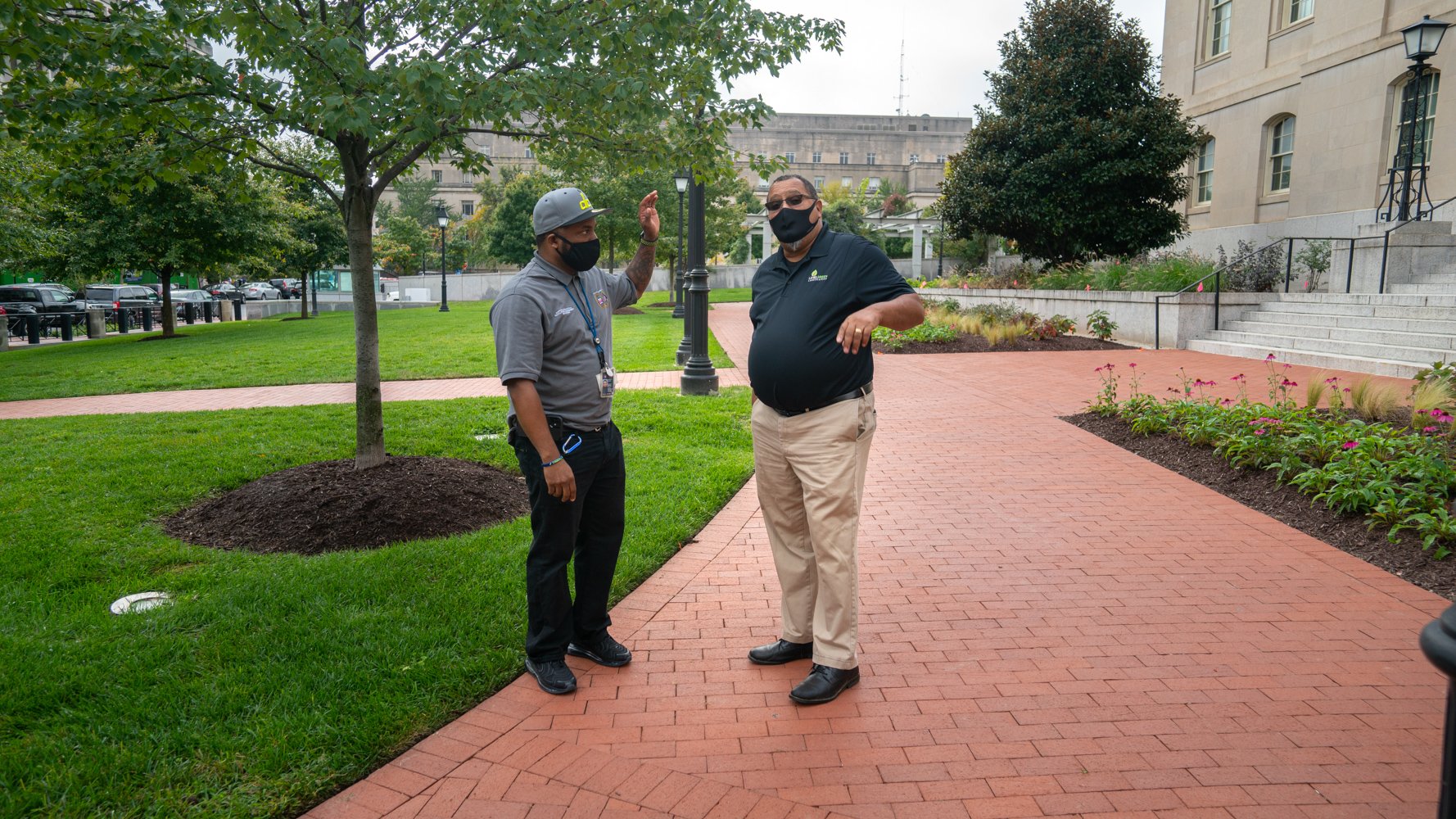
Developing Curb Appeal for Prime Business Parks

Future-Proofing Commercial Landscape Protocols
Table of Contents
Overgrown shrubs, weeds poking through walkway cracks, and tired-looking typical areas send out clear messages that drive people toward better-maintained neighborhoods. It secures what citizens have actually paid for their homes, decreases liability dangers from trip risks or dead trees, keeps homeowners delighted with where they live, and demonstrates that individuals care about their neighborhood.
Communities generally keep lawn sprinkler, trees, bushes, flower beds, mulched areas, grass, sidewalks, lighting, indications, play areas, pools, clubhouses, and other amenities particular to your area. Each piece needs different attention on various schedules. Trees require pruning every couple of years and routine health checkups by professionals who know what they're taking a look at.

The complexity of upkeep depends on community size, local weather, and the type of facilities being handled. Little areas with standard landscaping face easier difficulties than big advancements with fancy fountains, a diverse selection of plants, and numerous leisure locations.
Landscape Documentation StandardsWhy Asset Managers Value Landscape Efficiency
Overly unclear requirements like "keep things looking good" produce arguments since everybody has various concepts about "good." Clear standards describe what's acceptable while still allowing landscape specialists to utilize their judgment. Great standards cover things like: Turf height varies instead of exact cutting measurements Just how much weed coverage in lawns is okay before treatment When various kinds of trees get pruned based on how quick they grow Seasonal flower planting and replacement schedules How deep the mulch need to be, and when it requires rejuvenating How rapidly repair work need to occur after problems are reported Standards need to match your environment and budget plan truths.
Neighborhoods face huge choices about who manages upkeep work. Some employ their own employees while others contract with landscape companies. Both techniques have benefits and disadvantages. Having your own personnel gives direct control over schedules, quality, and what gets top priority attention. Employee find out about your property's distinct functions and what matters most to its locals.
The other side includes managing staff members, buying and saving equipment, dealing with payroll taxes and advantages, and handling individuals who quit or employ ill. Little neighborhoods frequently don't have enough work to validate full-time staff, while larger homes may need several employees. Agreement maintenance dumps equipment, insurance coverage, and management headaches onto landscape business.
The tradeoff suggests less direct control and depending on whether specialists really reveal up and do good work. Landscape agreements need to spell out exactly what work gets done, how frequently, and to what quality level.
Next-Gen Property Management Trends for 2026
In-depth arrangements include: How often yard gets cut and how brief Edge trimming and cleanup requirements Who keeps an eye on and repairs sprinkler problems Seasonal flower installation and care Tree and shrub pruning timing Mulch application schedules and depth Bug and disease control approaches How you structure payment affects professional performance. Some neighborhoods pay a regular monthly cost no matter the quality; however, better setups tie part of the payment to conference standards validated through regular property walks.
Multi-year contracts with yearly rate modifications offer stability while enabling performance evaluations and possible termination for bad work. Damaged sprinklers waste thousands of gallons of water, plus money, while creating drain messes and eliminating plants. Excellent irrigation management needs routine monitoring, seasonal tweaks, and fast repairs. Monthly system checks catch damaged heads, clogged up nozzles, spray patterns hitting sidewalks instead of turf, and controller issues before they cause real damage.
Seasonal modifications match watering to the changing weather and the needs of plants. Smart controllers change instantly based on weather projections, soil moisture, and plant requirements.
Landscape Documentation StandardsWater audits examine how effectively systems work and area improvement chances. They likewise create substantial maintenance needs and potential suits when ignored.
Cost-Effective Solutions for National Landscape Portfolios
Pruning schedules depend on tree type, age, and where they're planted. Young trees need training cuts to establish strong structures.

Table of Contents
Latest Posts
Future-Proofing Commercial Landscape Protocols
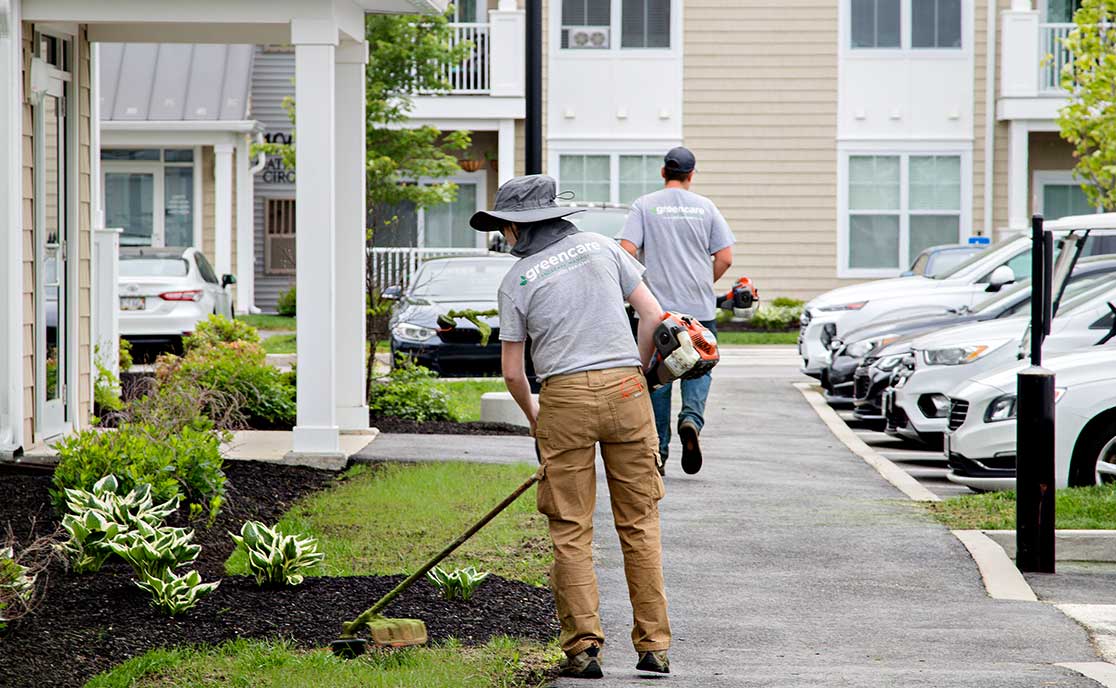
The Asset Manager's Roadmap for Commercial Bed Maintenance And Soil Cultivation
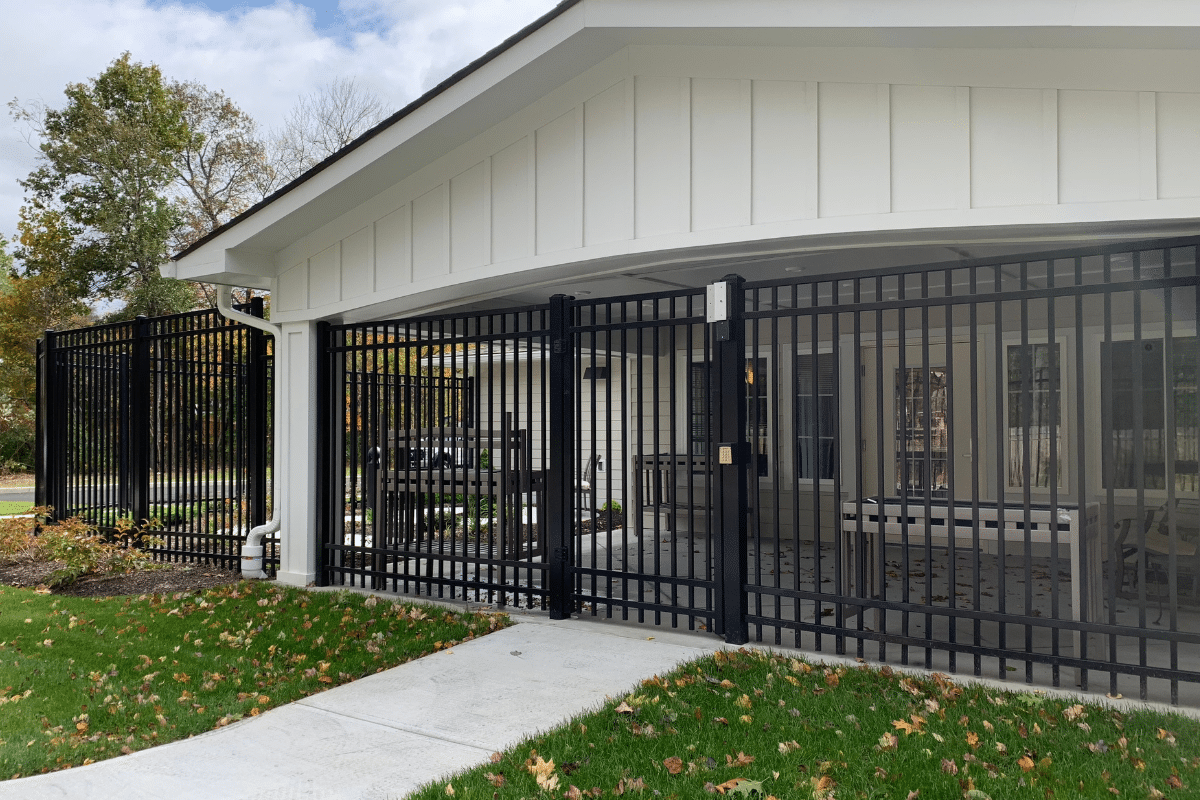
Sustainable Groundskeeping Innovations for HOAs
Latest Posts
Future-Proofing Commercial Landscape Protocols
The Asset Manager's Roadmap for Commercial Bed Maintenance And Soil Cultivation
Sustainable Groundskeeping Innovations for HOAs