All Categories
Featured
Future-Proofing Commercial Landscape Protocols
Sustainable Groundskeeping Innovations for HOAs

Developing Curb Appeal for Prime Business Parks
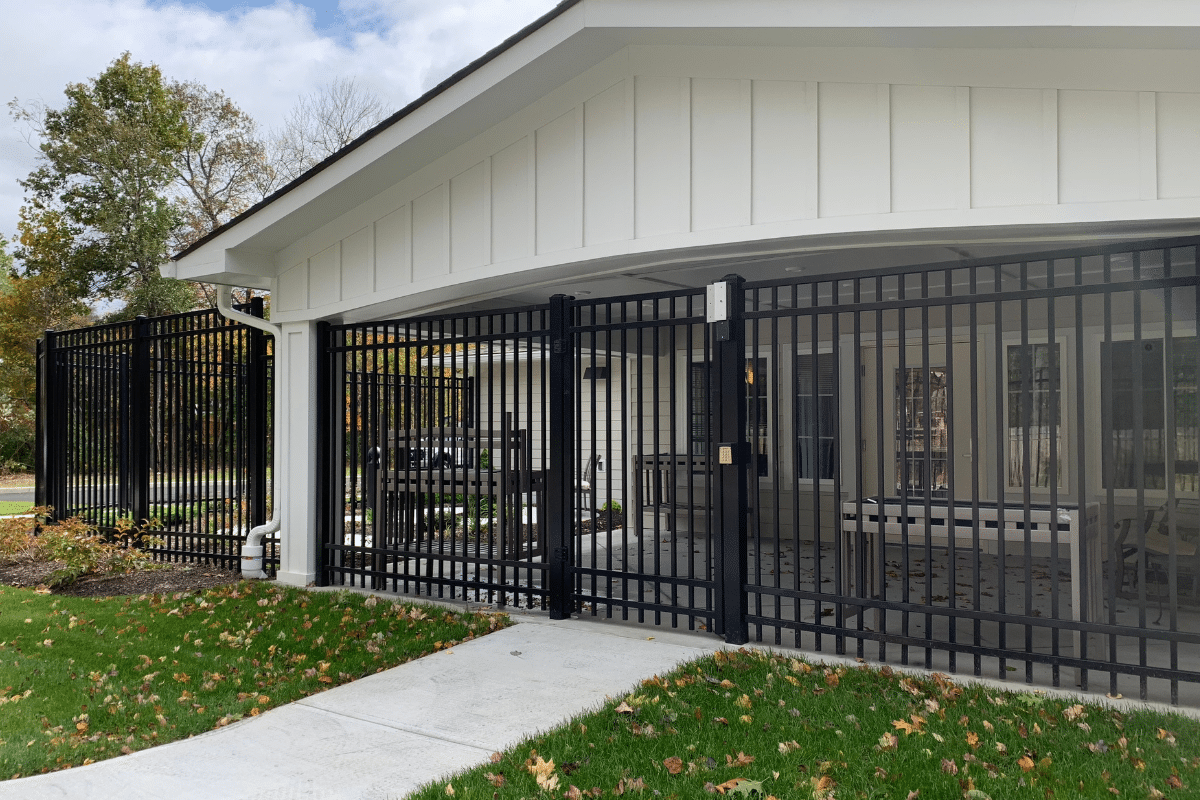
Sustainable Groundskeeping Innovations for HOAs
Table of Contents
Lenders complete. You pick. Free, no-obligation quotes from loan providers looking for offers like yours. Typical Location Upkeep or "WEBCAM" charges are charges sustained in a commercial lease. Web cam is paid by a renter to their property owner. Camera is charged on top of the fundamental lease and covers upkeep expenses sustained for deal with the common location of a home.
Secret takeawaysCAM fees are charges that commercial tenants should pay to their property managers in addition to their standard rent. The scope of what Web cam fees cover can vary considerably, however they are generally utilized to cover upkeep expenditures for the typical locations of a home.
Different types of business leases can affect who is responsible for paying webcam fees. The specific scope of CAM charges can vary considerably between specific lease arrangements; in general, proprietors try to work out for a broader analysis of webcam fees in order to decrease their threat exposure, while occupants typically try to narrow the analysis to lower their month-to-month expenditures.
Modern Site Care for Retail Parks
The webcam chargedto each occupant is figured out by leased square video in relation to the totalrentable square footage of the property. For example, if the occupant leases 1,200 sq. meters of workplace area; the total rentable space is 20,000 sq. meters; and the web cam fees amount to $18,000: In that case, the occupant is generally responsible for only 6% (1200/20000) of the camera costs which would correspond to $1,080 (6% of $18,000). Camera charges can be either fixed or variable.
Different types of industrial leases leave residential or commercial property and owners and occupants with various responsibilities when it pertains to camera charges. For instance, gross leases are generally thought about to be 'all inclusive,' indicating that the homeowner is accountable for nearly everything, so a tenant will generally not be accountable for paying web cam charges.
Double web (NN) rents fall someplace in between these 2 extremes, which, in practice, means that a tenant will likely pay some degree of Web cam fees, but not as much as a NNN renter might. In other cases, Webcam fees are in fact tied directly to operating expenses (rather of simply an estimate). To protect occupants, there is typically a cost cap (also referred to as a cost ceiling) that limits the optimum quantity Webcam charges can increase in one year.
Even if real CAM expenses stay the very same (or even fall), renters might still be responsible for paying their base CAM costs plus the 3% yearly boost. This is justified by the truth that, while CAM expenditures may not increase in one specific year, they could increase substantially in upcoming years.
Depending the actual vs. charged expenses, Camera recovery can benefit either the renter or the landlord. What are Web cam charges in commercial genuine estate?
How to Optimize Multi-Site CAM Efficiency in 2026
The exact scope of CAM costs can differ considerably in between individual lease contracts; in basic, landlords try to negotiate for a more comprehensive analysis of CAM costs in order to minimize their threat direct exposure, while tenants typically try to narrow the interpretation to minimize their monthly costs. Just like a lease escalation stipulation specifies that business rents will increase by a certain percentage each year, lots of lease arrangements mention that camera charges will increase by a specific amount (i.e.
In other cases, camera fees are actually connected directly to operating expenses (instead of simply an estimate). To protect occupants, there is often a rate cap (likewise referred to as a price ceiling) that limits the maximum amount Camera charges can increase in one year. A commercial might mention that CAM cost boosts would be capped at 5% per year.
Therefore, even if real CAM expenses stay the very same (or perhaps fall), tenants may still be accountable for paying their base camera fees plus the 3% yearly increase. This is justified by the fact that, while web cam expenses might not increase in one particular year, they could increase considerably in upcoming years.

Table of Contents
Latest Posts

Future-Proofing Commercial Landscape Protocols
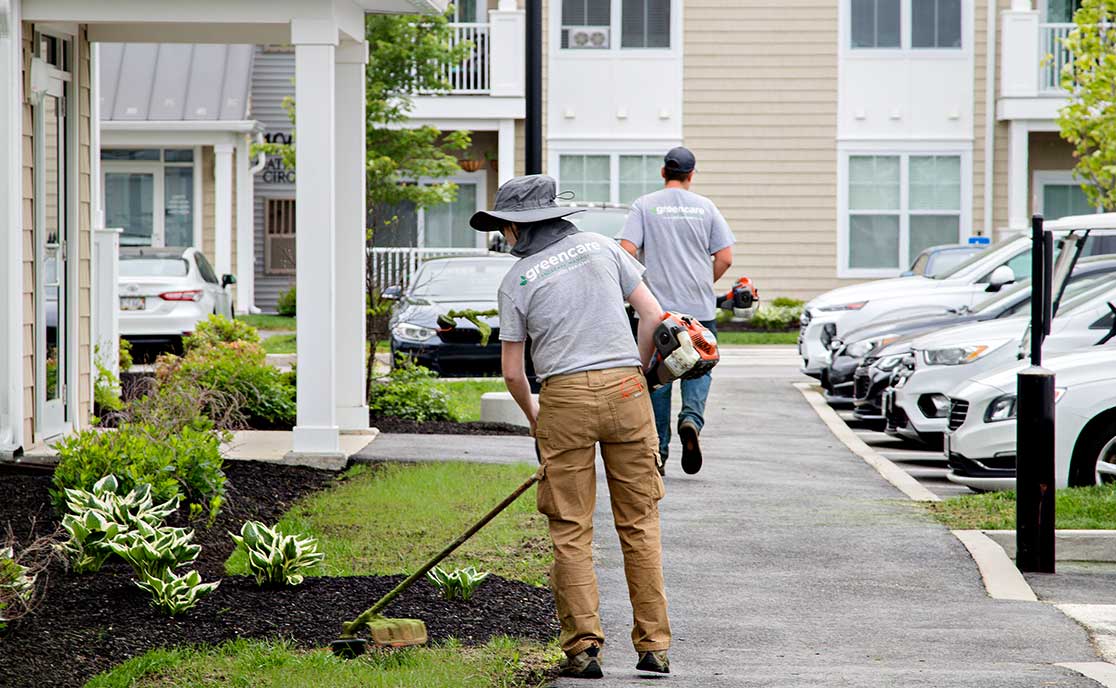
The Asset Manager's Roadmap for Commercial Bed Maintenance And Soil Cultivation
Sustainable Groundskeeping Innovations for HOAs
Latest Posts
Future-Proofing Commercial Landscape Protocols
The Asset Manager's Roadmap for Commercial Bed Maintenance And Soil Cultivation
Sustainable Groundskeeping Innovations for HOAs